近年来,中国制造业虽然在规模上居于全球前列,但在核心技术领域仍面临严峻挑战。一些产业经济学家指出,中国在5G通信、新能源汽车等部分领域实现了领先,然而在高端芯片、精密仪器、工业软件等底层技术方面,依然严重依赖西方发达国家。这种局面被称为“中等技术陷阱”——即一个国家在从低端制造向高端制造攀升的过程中,由于关键核心技术受制于人,陷入“引进—落后—再引进”的循环,难以实现真正的自主创新。
近日,虎嗅邀请到两位产业经济学家和一位工业互联网专家,围绕这一议题展开了深度圆桌讨论。专家们认为,人工智能技术的爆发式发展为中国制造业提供了“换道超车”的历史性机遇。所谓“换道超车”,并非简单地追赶原有技术路径,而是借助数智化手段,重构生产流程与商业模式,从而绕开传统技术壁垒,实现跨越式发展。
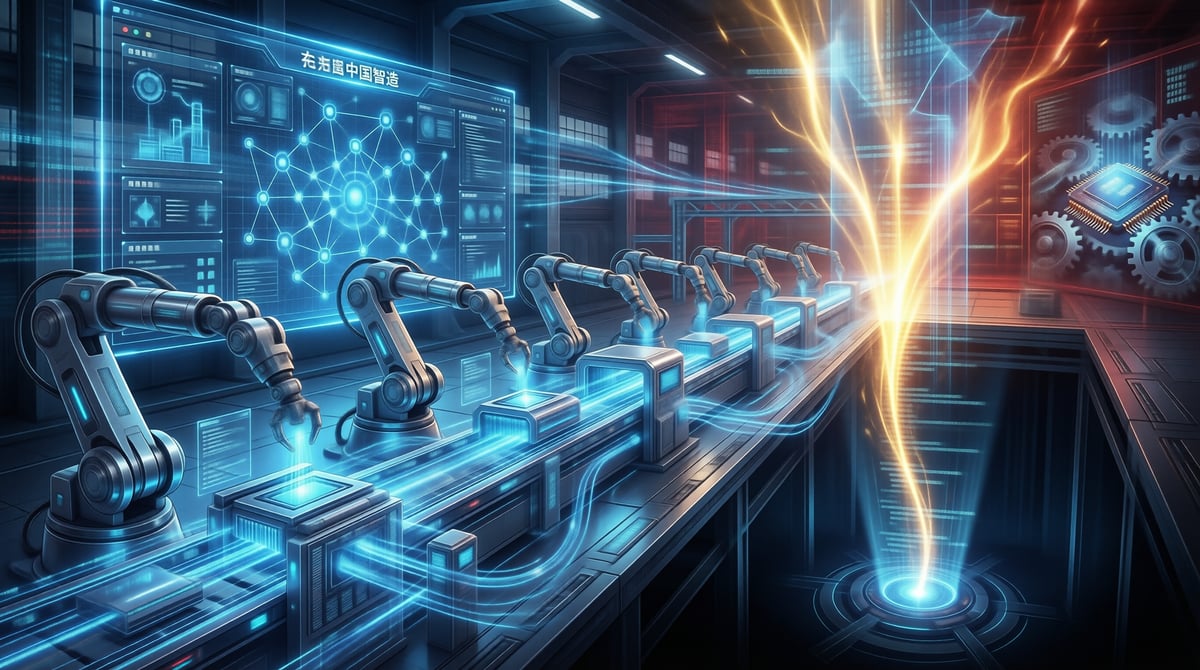
讨论中,专家们分析了具体路径:通过工业互联网平台,将设备、产线、供应链全面数字化,再利用AI算法对工艺参数进行自适应优化。例如,在精密加工环节,以往依赖老师傅的经验反复调试参数,而现在可以通过机器学习模型实时分析传感器数据,自动调整切削速度、温度等变量,使良品率提升30%以上。这种能力使中国制造企业能够在不依赖进口高端设备的前提下,显著提升产品质量和生产效率。
富士康与海尔是本次讨论中提及的典型案例。富士康近年来大力投入“灯塔工厂”建设,在深圳、成都等地部署了数百台工业机器人,并结合AI视觉检测系统,实现电子元件的毫秒级缺陷识别。海尔则构建了“卡奥斯”工业互联网平台,将用户需求直接链接到生产线,实现大规模定制。这些实践表明,智能制造不仅降低了对传统熟练工的依赖,更缩短了从设计到交付的周期。
然而,专家们也提醒,AI并非万能钥匙。中国制造业在数据基础、算法模型、工业软件生态等方面仍有明显短板。许多工厂的数字化程度较低,缺乏高质量的历史数据用于训练模型;同时,底层工业软件(如EDA、CAE)长期被国外厂商垄断,制约了整体智能化的深度。因此,要真正走出中等技术陷阱,必须坚持“软硬兼施”——既要在AI算法和工业互联网上持续突破,也要在操作系统、芯片设计等底层领域加强自主研发。
从宏观政策层面看,国家已出台多项措施支持制造业数智化转型,包括设立专项基金、建设国家制造业创新中心等。但产业升级最终要靠企业自身的决心与投入。专家建议,中小企业可以借助第三方工业互联网平台低成本接入AI能力,避免重复造轮子;大型龙头企业则应牵头建立开放生态,共享技术和数据资源,带动整个产业链协同创新。
综合来看,AI时代的到来确实为中国制造业带来了前所未有的机遇,但要想彻底摆脱“中等技术陷阱”,仍需在技术创新、生态培育和国际合作等多个维度持续发力。未来十年,能否实现从“制造大国”向“制造强国”的跨越,取决于我们能否有效融合AI与制造业,形成自主可控的技术体系。
AI时代中国制造业如何突破技术瓶颈
HSK 7နည်းပညာအဆင့်မြင့်虎嗅
1162 လုံး~6မိနစ်HSK အဆင့်: HSK 7
ဖွင့်ရန်ခလုတ်
ဖျင့်ရင်း
နားဆင်လေ့ကျင့်ခန်း
1/22[A] [B] သတ်မှတ်ကာ ထပ်ကျော့ရန်
ဆက်စပ်ဝေါဟာရများ
中等技术陷阱zhōngděng jìshù xiànjǐng
middle-technology trap, a situation where a country gets stuck in low-end manufacturing due to lack of core technologies换道超车huàndào chāochē
to overtake by changing lanes, metaphor for bypassing traditional paths to leapfrog数智化shùzhìhuà
digital-intelligent transformation, combining digitalization and AI自适应zìshìyìng
self-adaptive, automatically adjusting based on conditions工业互联网gōngyè hùliánwǎng
industrial internet, network connecting industrial equipment and systems良品率liángpǐnlǜ
yield rate, percentage of products that meet quality standards传感器chuángǎnqì
sensor, device that detects and measures physical properties壁垒bìlěi
barrier, obstacle (e.g., technical barriers to entry)大规模定制dàguīmó dìngzhì
mass customization, producing customized products at scale工业软件gōngyè ruǎnjiàn
industrial software, software for design, simulation, and manufacturing (e.g., CAD, CAE)生态shēngtài
ecosystem, interconnected system of companies, technologies, and users自主可控zìzhǔ kěkòng
independently controllable, self-reliant and not subject to external controlသဒ္ဒါအချက်များ
从...来看HSK 7
表示从某个角度或方面进行观察或分析。常用于引出观点或结论。
Indicates observing or analyzing from a certain perspective or aspect. Often used to introduce a viewpoint or conclusion.
ဥပမာများ (2)
从宏观政策层面来看,国家已出台多项措施支持制造业数智化转型。
Cóng hóngguān zhèngcè céngmiàn lái kàn, guójiā yǐ chūtái duō xiàng cuòshī zhīchí zhìzàoyè shùzhìhuà zhuǎnxíng.
From a macro policy perspective, the country has introduced multiple measures to support the digital and intelligent transformation of the manufacturing industry.
从技术突破的角度来看,AI算法和工业互联网是关键领域。
Cóng jìshù tūpò de jiǎodù lái kàn, AI suànfǎ hé gōngyè hùliánwǎng shì guānjiàn lǐngyù.
From the perspective of technological breakthroughs, AI algorithms and industrial internet are key areas.
不仅...更...HSK 7
表示递进关系,强调后一部分比前一部分更进一步。
Indicates a progressive relationship, emphasizing that the latter part goes further than the former.
ဥပမာများ (2)
智能制造不仅降低了对传统熟练工的依赖,更缩短了从设计到交付的周期。
Zhìnéng zhìzào bùjǐn jiàngdī le duì chuántǒng shúliàngōng de yīlài, gèng suōduǎn le cóng shèjì dào jiāofù de zhōuqī.
Smart manufacturing not only reduces reliance on traditional skilled workers, but also shortens the cycle from design to delivery.
中国制造业不仅要实现规模领先,更要在核心技术领域实现自主创新。
Zhōngguó zhìzàoyè bùjǐn yào shíxiàn guīmó lǐngxiān, gèng yào zài héxīn jìshù lǐngyù shíxiàn zìzhǔ chuàngxīn.
China's manufacturing industry not only needs to lead in scale, but also to achieve independent innovation in core technology areas.
即HSK 7
用于对前文进行解释或说明,相当于“也就是说”、“就是”。
Used to explain or clarify the preceding text, equivalent to 'that is' or 'namely'.
ဥပမာများ (2)
这种局面被称为“中等技术陷阱”——即一个国家在从低端制造向高端制造攀升的过程中,由于关键核心技术受制于人,陷入“引进—落后—再引进”的循环。
Zhè zhǒng júmiàn bèi chēng wéi “zhōngděng jìshù xiànjǐng”——jí yīgè guójiā zài cóng dīduān zhìzào xiàng gāoduān zhìzào pānshēng de guòchéng zhōng, yóuyú guānjiàn héxīn jìshù shòuzhì yú rén, xiànrù “yǐnjìn—luòhòu—zài yǐnjìn” de xúnhuán.
This situation is called the 'middle technology trap' — that is, a country, in the process of climbing from low-end manufacturing to high-end manufacturing, falls into a cycle of 'introduce—lag behind—reintroduce' because its key core technologies are controlled by others.
所谓“换道超车”,并非简单地追赶原有技术路径,而是借助数智化手段,重构生产流程与商业模式。
Suǒwèi “huàndào chāochē”, bìngfēi jiǎndān de zhuīgǎn yuányǒu jìshù lùjìng, ér shì jièzhù shùzhìhuà shǒuduàn, chónggòu shēngchǎn liúchéng yǔ shāngyè móshì.
The so-called 'changing lanes to overtake' is not simply catching up with the original technological path, but using digital and intelligent means to restructure production processes and business models.
归根结底HSK 7
表示最终归结到最根本的原因或本质。常用于总结观点。
Indicates that it ultimately comes down to the most fundamental cause or essence. Often used to summarize a viewpoint.
ဥပမာများ (2)
产业升级归根结底要靠企业自身的决心与投入。
Chǎnyè shēngjí guīgēnjiédǐ yào kào qǐyè zìshēn de juéxīn yǔ tóurù.
Industrial upgrading ultimately depends on the determination and investment of the enterprises themselves.
中国制造业要突破技术瓶颈,归根结底是必须形成自主可控的技术体系。
Zhōngguó zhìzàoyè yào tūpò jìshù píngjǐng, guīgēnjiédǐ shì bìxū xíngchéng zìzhǔ kěkòng de jìshù tǐxì.
For China's manufacturing industry to break through technological bottlenecks, it ultimately must establish a self-controllable technology system.
在...的同时HSK 7
表示两个动作或状态同时发生或进行。常用于书面语。
Indicates that two actions or states occur or proceed simultaneously. Commonly used in written language.
ဥပမာများ (2)
在追求快速发展的同时,企业也必须重视数据基础建设和算法模型的优化。
Zài zhuīqiú kuàisù fāzhǎn de tóngshí, qǐyè yě bìxū zhòngshì shùjù jīchǔ jiànshè hé suànfǎ móxíng de yōuhuà.
While pursuing rapid development, enterprises must also pay attention to data infrastructure construction and algorithm model optimization.
在AI算法和工业互联网上持续突破的同时,也要在操作系统、芯片设计等底层领域加强自主研发。
Zài AI suànfǎ hé gōngyè hùliánwǎng shàng chíxù tūpò de tóngshí, yě yào zài cāozuò xìtǒng, xīnpiàn shèjì děng dǐcéng lǐngyù jiāqiáng zìzhǔ yánfā.
While making continuous breakthroughs in AI algorithms and the industrial internet, it is also necessary to strengthen independent research and development in underlying areas such as operating systems and chip design.
ပဟေဠိ(0/5)
မေးခွန်း 1/50%
1.根据文章,中国制造业面临的“中等技术陷阱”主要是指什么?
2.专家认为AI技术如何帮助中国制造业实现“换道超车”?
3.文中提到的富士康案例中,AI技术主要应用于哪个环节?
4.关于中国制造业数智化转型的挑战,文章提到以下哪一项?
5.作者认为中国制造业要想彻底走出“中等技术陷阱”需要怎么做?